September 9, 2025
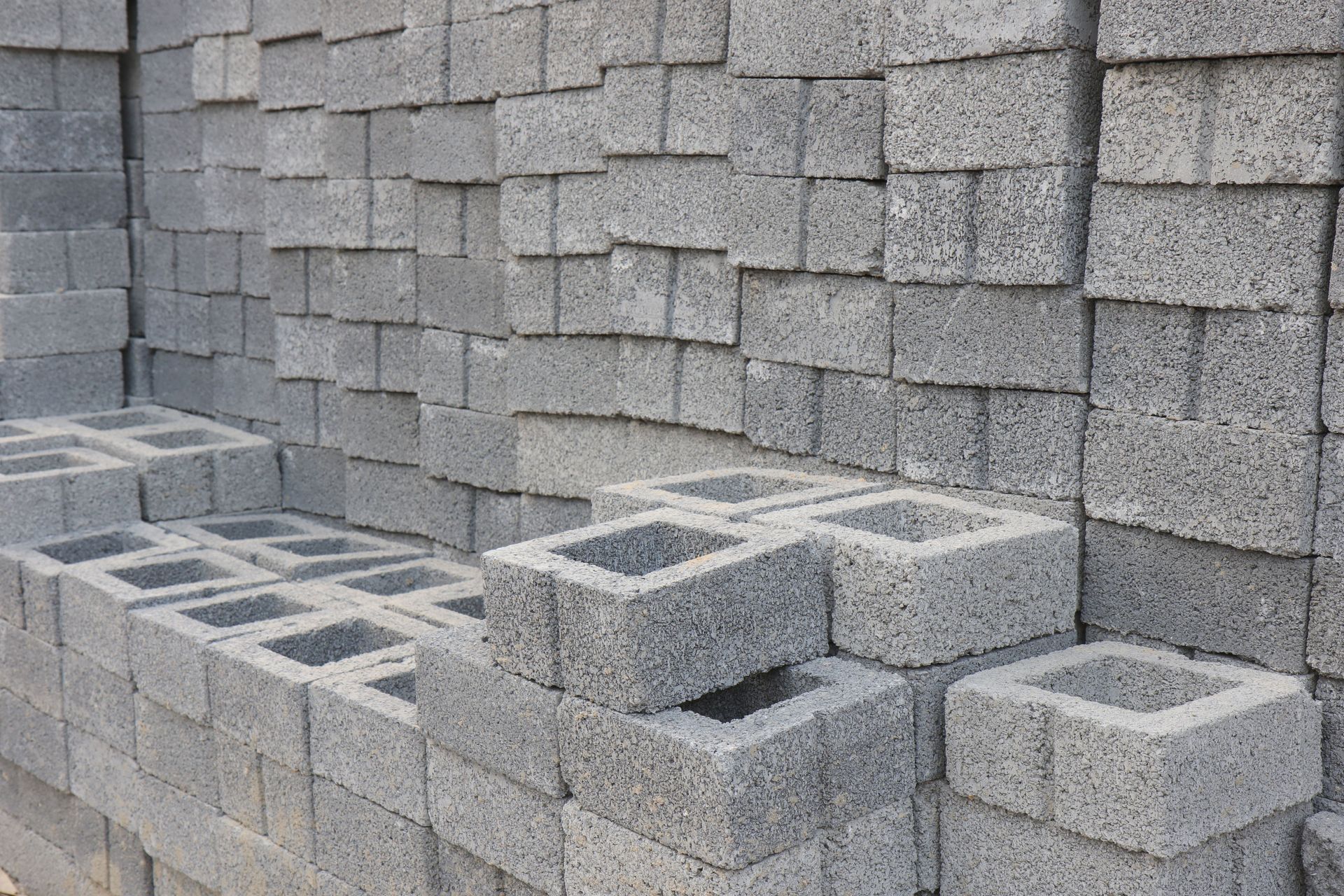
When undertaking a construction project, whether it's a small home extension or a large commercial building, the quality of your materials can make a significant difference in the outcome. Concrete blocks are a popular choice due to their durability and cost-effectiveness, but not all blocks are created equal. To ensure that you're getting the best materials for your needs, it's essential to engage in a dialogue with your concrete supplier. Asking the right questions can provide you with valuable insights and lead to a more successful project outcome.
Additionally, understanding the supplier's reputation, delivery capabilities, and commitment to quality can save time, reduce unexpected costs, and ensure that your project meets both structural standards and aesthetic expectations. Establishing a strong relationship with trusted suppliers also opens the door for advice on the latest materials, techniques, and innovations that could further enhance your construction project.
1. What Is the Compressive Strength of Your Blocks?
The compressive strength of concrete blocks is a critical factor that determines their ability to withstand loads. This is particularly pertinent for structural applications where long-term durability and safety are paramount.
Ask your concrete supplier about the tested compressive strength of their blocks to ensure that they meet the necessary standards for your specific project requirements. Knowing this information allows you to align the material specifications with your engineers' recommendations, ensuring the longevity, stability, and overall safety of your construction.
2. Are Your Blocks Eco-Friendly?
As sustainability becomes increasingly important in construction, it's wise to inquire about the environmental friendliness of your concrete supplier's products. Eco-friendly blocks may be made with recycled materials or incorporate technology that reduces carbon emissions during production.
According to Fortune Business Insights, the concrete block and brick market is projected to exceed $566 billion by 2029, indicating a growing demand that could drive innovations in sustainable production. Choosing eco-friendly blocks not only benefits the planet but can also enhance your project's appeal to environmentally conscious stakeholders.
3. Do You Provide Custom Sizes and Shapes?
Construction projects often have unique and complex requirements, and standard-sized blocks may not always fit the bill. It's important to check whether your concrete supplier offers customization options in terms of sizes, shapes, or finishes.
This flexibility can significantly impact the efficiency of your construction process, reducing the need for additional cutting, adjustments, or modifications on-site. A supplier that can tailor its products to your specific needs can save you considerable time and resources, ultimately influencing the overall quality, speed, and success of the project.
4. How Do You Ensure Quality Control?
Quality control is essential in ensuring that concrete blocks consistently meet industry standards and perform as expected. Ask your supplier about their quality control measures to understand how they guarantee the consistency, reliability, and durability of their products.
A reliable concrete supplier often follows stringent testing, certification protocols, and production monitoring, ensuring that their blocks perform as expected under various environmental and load conditions. The assurance of strict quality control provides peace of mind, prevents costly replacements or repairs, and ensures long-term construction integrity.
5. What Is Your Lead Time for Orders?
Timing is often crucial in construction projects, making it very important to ask your concrete supplier about estimated lead times and production schedules. Understanding delivery windows and potential delays can help you plan more effectively and avoid costly project interruptions.
A supplier with a reputation for timely deliveries can be a significant asset, as delays in material procurement can lead to increased labor costs, extended project timelines, and frustrated stakeholders. Confirming lead times in advance allows for better scheduling and smoother coordination and helps keep your entire construction project on track efficiently.
In a rapidly expanding market, choosing the right concrete supplier can make a big difference in the success of your construction project. By asking these key questions, you not only gather critical information about the product but also assess the reliability and capabilities of your suppliers. From understanding compressive strength to evaluating environmental impacts and ensuring timely delivery, these inquiries are essential.
A well-informed decision will lead to quality construction that stands the test of time, aligning with both your project goals and industry standards. Working with a reputable concrete supplier also provides access to technical advice, innovative solutions, and support for customized projects, ensuring that every aspect of your construction runs smoothly. For high-quality concrete blocks and expert guidance from a concrete supplier you can depend on, contact National Block & Ready-Mix today.