October 14, 2025
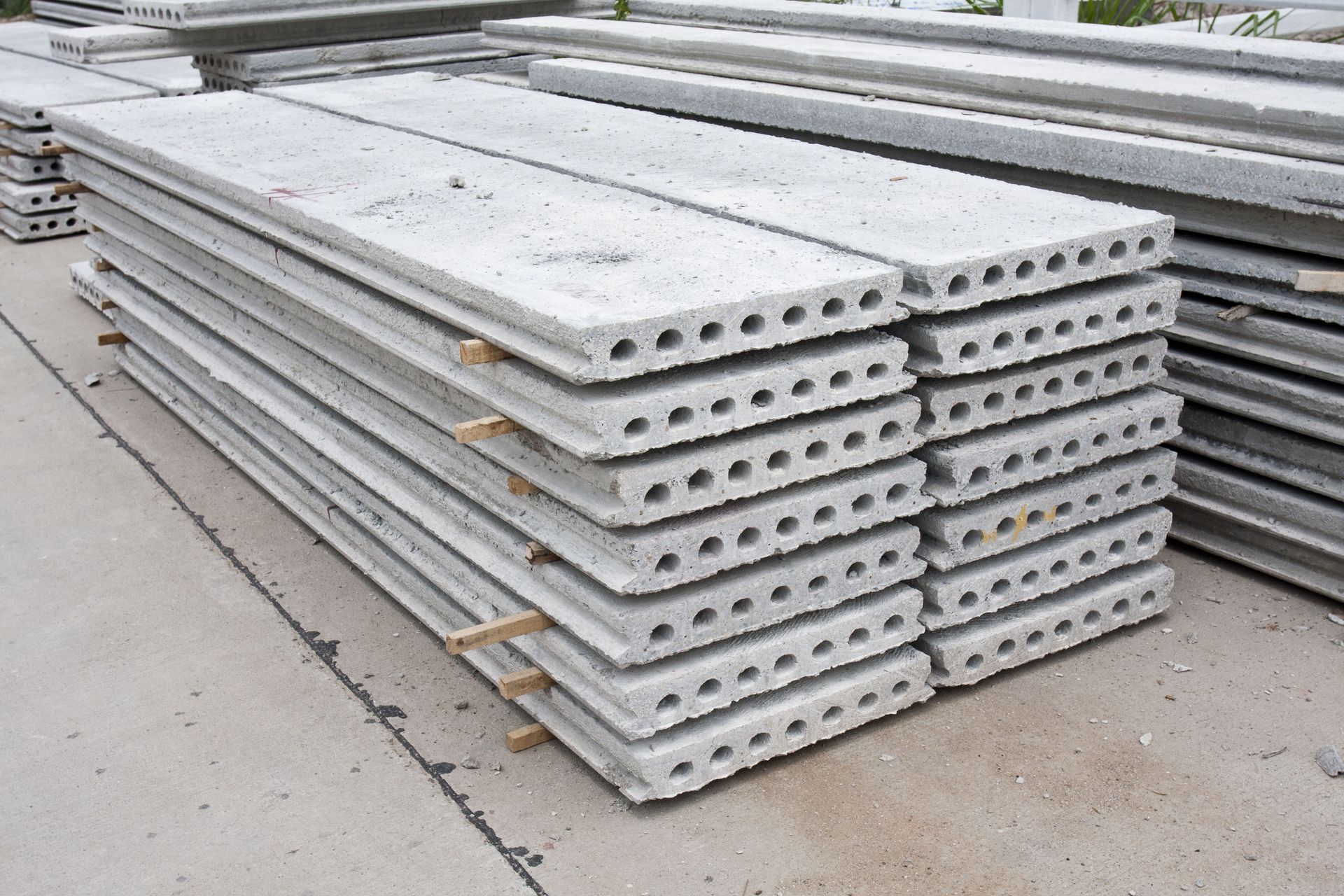
Construction methods have evolved considerably in recent years, and precast concrete has emerged as a highly efficient and innovative solution for modern development projects. By manufacturing concrete components off-site and transporting them to the construction site, developers and builders gain greater control, reduce waste, and accelerate timelines. This approach is particularly valuable in an industry that demands precision, efficiency, and sustainability. In this article, we explore six key advantages of using it, illustrating how it can enhance project outcomes for residential, commercial, and infrastructure projects.
1. Enhance Quality Control With Precast Concrete
One of the most compelling reasons to use it is the high level of quality control achievable through off-site production. Unlike on-site pouring, where conditions can fluctuate, factory production ensures that every component meets strict specifications and performance requirements.
Ensure Consistency in Production
Producing concrete components in a controlled environment guarantees uniform density, strength, and shape. Temperature, humidity, and curing conditions are monitored closely, eliminating variations that often occur in traditional construction. This consistent quality reduces potential structural problems during assembly and ensures every element fits seamlessly. Additionally, automated production reduces the risk of human error, helping maintain uniformity across even large projects.
Achieve Precision and Accuracy
The use of pre-made molds enables precise dimensions and complex shapes. Components are fabricated to exact specifications, meaning fewer on-site adjustments are required. This precision improves efficiency during assembly and reduces the likelihood of mistakes that could delay construction. Builders also benefit from cleaner lines, smoother surfaces, and overall improved aesthetics in the final structure.
Implement Advanced Testing Techniques
Precast components undergo rigorous testing, including compressive strength assessments, durability checks, and dimensional verification. Techniques such as X-ray scanning or ultrasonic evaluation detect internal flaws before installation, ensuring safety and reliability. Such thorough testing ensures that every component performs according to design requirements, making it a dependable choice for demanding projects.
2. Reduce Costs With Precast Concrete
Cost efficiency is a major factor behind the adoption of precast concrete. From material savings to reduced labor needs, this construction method offers both short-term and long-term financial advantages.
Minimize Material Waste
Controlled factory production allows precise measurements for each component, significantly reducing material waste compared to on-site casting. This efficiency not only lowers costs but also promotes environmental responsibility by minimizing excess concrete and packaging materials.
Lower Labor Requirements
Because precast components are produced off-site, fewer laborers are required for installation. On-site work is limited to assembly, securing, and finishing touches. This streamlined process reduces labor costs, especially on larger projects, without compromising quality.
Benefit From Economies of Scale
Large-scale production of standardized components reduces the cost per unit. Manufacturers can efficiently produce multiple elements for residential developments, commercial complexes, or industrial facilities, providing a financial advantage to developers managing multiple projects.
Save With Long-Term Durability
Precast concrete is engineered for longevity. It withstands environmental stressors, such as freeze-thaw cycles, moisture, and extreme temperatures, reducing the frequency of repairs and maintenance. This long-term durability translates into cost savings over the structure’s lifetime, making it a sound investment for both commercial and residential projects.
Access Financial Incentives
Many government programs encourage the use of sustainable building materials, including precast. Tax credits, grants, or other incentives may be available, further reducing the overall financial burden of construction projects. These economic benefits complement the cost savings achieved through efficiency and durability.
3. Accelerate Construction Timelines
Time efficiency is another significant advantage of precast. With components ready for immediate installation, projects can progress faster than traditional methods that require on-site pouring and curing.
Utilize Off-Site Manufacturing
While excavation and foundation work are completed on-site, precast components can be manufactured simultaneously in a factory. This parallel production minimizes downtime and accelerates overall project schedules, enabling developers to meet tight deadlines.
Simplify Installation
Precast components arrive on-site ready to be assembled. Their precision molds ensure a seamless fit, reducing time spent on adjustments or modifications. The streamlined assembly process can shorten construction timelines by weeks or even months, depending on the scale of the project.
Overcome Weather Challenges
Since manufacturing occurs in controlled environments, production is not affected by rain, snow, or extreme temperatures. This independence from weather conditions allows construction to continue uninterrupted, even in regions with unpredictable climates.
Streamline Project Planning
Predictable production schedules make it easier to coordinate deliveries, labor, and other resources. Builders can plan effectively, avoid bottlenecks, and allocate personnel more efficiently. Eliminating on-site curing further reduces delays, ensuring projects remain on schedule.
4. Expand Design Possibilities
Precast concrete offers unparalleled flexibility for architects and designers. It allows for creative solutions without compromising structural performance or durability.
Customize Forms and Finishes
Precast components can be molded into unique shapes, textures, and finishes, offering aesthetic and functional versatility. Designers can achieve modern, traditional, or intricate architectural details, giving each project a distinctive character while maintaining structural integrity.
Integrate With Other Materials
Precast concrete works seamlessly with materials like steel, glass, or wood, enabling hybrid designs that combine strength with elegance. This compatibility allows for innovative structural solutions and visually appealing projects that meet both functional and aesthetic goals.
Scale Projects Efficiently
Precast concrete can be produced to accommodate a variety of project sizes. With 92,904 businesses operating in the U.S. concrete contractors industry, according to IBISWorld, manufacturers have the capacity to supply components for everything from single-family homes to large-scale commercial complexes. This scalability ensures that quality and performance are consistent, regardless of project size.
Support Sustainable Design
Efficient production methods and long-lasting components contribute to environmentally responsible construction. Using it reduces resource consumption, lowers waste, and supports compliance with green building standards. Projects incorporating precast elements can achieve sustainability goals without sacrificing efficiency or quality.
5. Improve Structural Performance
Structural reliability is a critical consideration for any building project, and it delivers superior strength, stability, and resilience.
Enhance Load-Bearing Strength
Precast concrete supports substantial loads, making it ideal for commercial buildings, high-rise apartments, and infrastructure projects. Its engineered properties ensure that structures can withstand heavy stress without compromising safety.
Increase Seismic Resistance
Precast components are designed to flex under pressure, absorbing and dissipating seismic forces. This capability is particularly important in earthquake-prone areas, where structural resilience can reduce damage and protect occupants.
Provide Fire Resistance
Precast concrete is naturally fire-resistant, helping prevent the rapid spread of flames and protecting both property and occupants. This feature aligns with building codes and improves overall safety.
Deliver Acoustic and Thermal Advantages
Dense precast elements reduce external noise infiltration and provide thermal insulation. Buildings using these components maintain comfortable indoor temperatures while reducing energy costs for heating and cooling systems.
6. Support Environmental Sustainability
Sustainability is increasingly essential in construction, and it supports eco-friendly practices through both production and end-of-life recyclability.
Employ Sustainable Manufacturing
Factories producing precast components optimize energy consumption, reduce waste, and recycle materials wherever possible. These processes minimize environmental impact while maintaining consistent quality.
Promote Recyclability
At the end of their service life, precast components can be repurposed or recycled, reducing landfill contributions. Using recycled materials in production further advances sustainable building practices.
Lower Carbon Footprint
Efficient manufacturing, reduced transportation needs, and durable products all contribute to lower greenhouse gas emissions. Developers can meet sustainability targets while ensuring long-lasting performance.
Contribute to Green Certifications
Precast concrete can help buildings achieve certifications such as LEED, recognizing efforts to minimize environmental impact and promote resource efficiency. These certifications provide measurable validation of eco-friendly construction practices.
Precast provides a combination of quality, efficiency, versatility, structural integrity, and environmental responsibility that traditional methods often cannot match. Its advantages include controlled quality, lower costs, faster construction, innovative design possibilities, superior performance, and sustainable benefits. Developers and builders seeking optimal project outcomes should consider integrating this concrete into their next construction projects. Contact National Block & Ready-Mix today to explore how precast concrete can elevate your construction projects from planning to completion.