September 29, 2026
Understanding the importance of selecting the appropriate concrete products is crucial for the success of any construction project. This article will guide you through the critical considerations and options available, ensuring your project stands the test of time. Concrete is not just a single product but a spectrum of types and formulations that cater to different construction needs. From structural demands to aesthetic preferences, each type of concrete product offers unique benefits. By comprehensively exploring the key factors in choosing concrete products, we aim to provide you with invaluable insights to make informed decisions for your construction projects.
The Importance of Choosing the Right Concrete Products
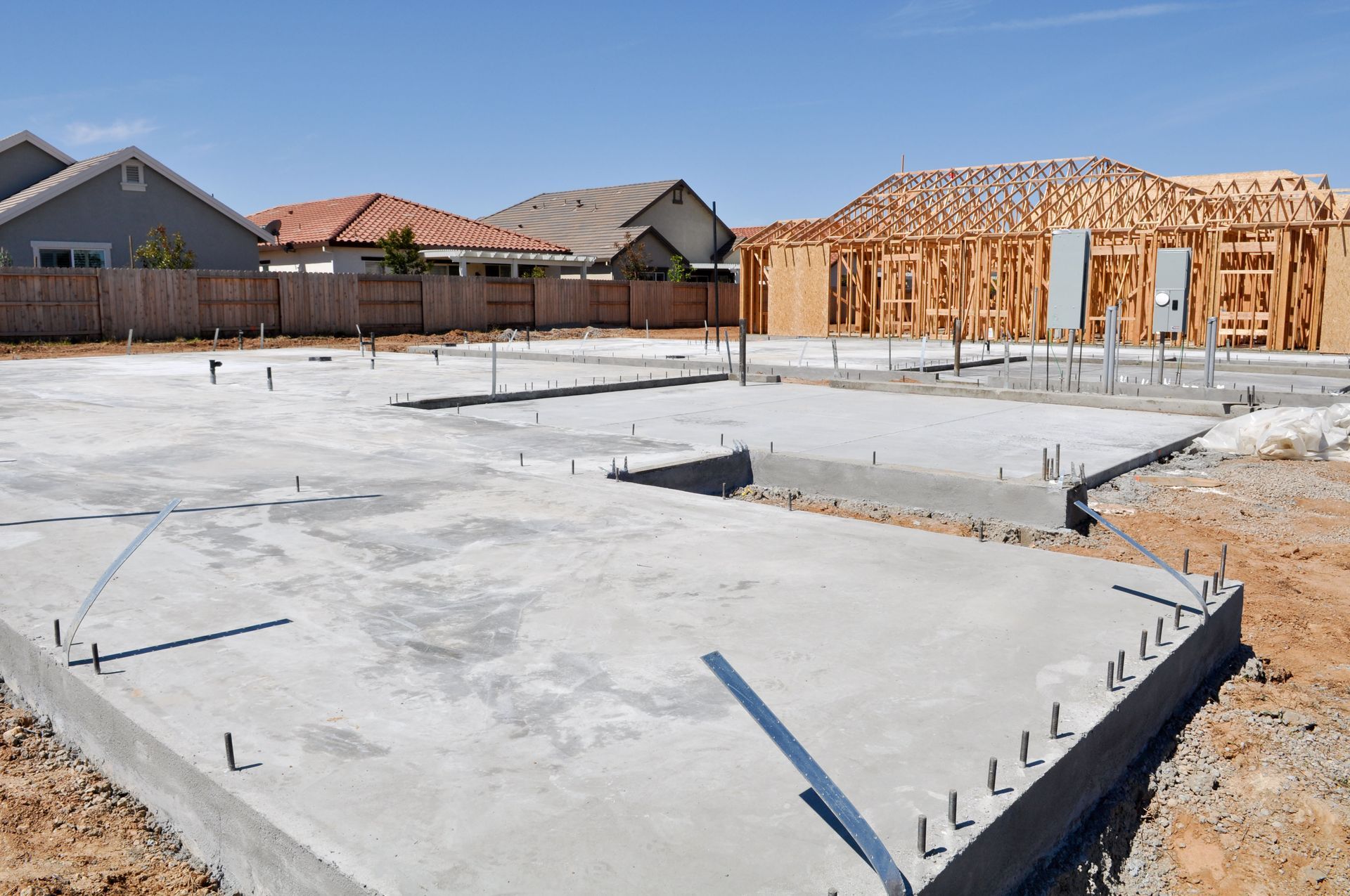
The structural integrity of a building or structure is heavily reliant on the quality of the concrete used. Selecting the right concrete product helps ensure that it can withstand various stresses and loads over time. Different structures might require concrete with varying compressive strengths, and using inappropriate types could compromise safety. Utilizing the correct concrete mix is fundamental in preventing premature cracking or structural failures. Inadequate structural integrity not only endangers occupants but also leads to costly repairs and renovations.
Choosing the right concrete products plays a significant role in maintaining budget constraints without sacrificing quality. Different types of concrete offer varied price points, allowing for flexibility in project planning. For example, using lightweight concrete might reduce the need for extensive foundational support, indirectly cutting costs. Moreover, sourcing materials from reputable suppliers ensures competitive pricing and prevents unexpected expenses due to product failure. Ultimately, a well-planned choice of concrete contributes to a project delivered on time and within budget.
The durability and lifespan of a construction project are closely tied to the concrete used. High-quality concrete products enhance durability by resisting environmental degradation like freeze-thaw cycles, chemical attacks, or mechanical erosion. For long-term sustainability, it is crucial to select concrete that aligns with the environmental conditions of the project’s location. Durable concrete ensures fewer repairs over a structure's lifetime, providing economic benefits and conserving resources. In essence, investing in the right concrete today equals decades of serviceability tomorrow.
With growing concerns about environmental impact, selecting sustainable concrete products is now more important than ever. Eco-friendly concrete formulations, such as geopolymer concrete, reduce carbon footprints significantly compared to traditional Portland cement. Including recycled materials in concrete not only conserves natural resources but also makes use of industrial by-products. Additionally, sustainable choices often contribute to certifications and green building standards like LEED. Turning to environmentally considerate concrete ensures your project contributes positively to ecological balance.
Types of Concrete Products
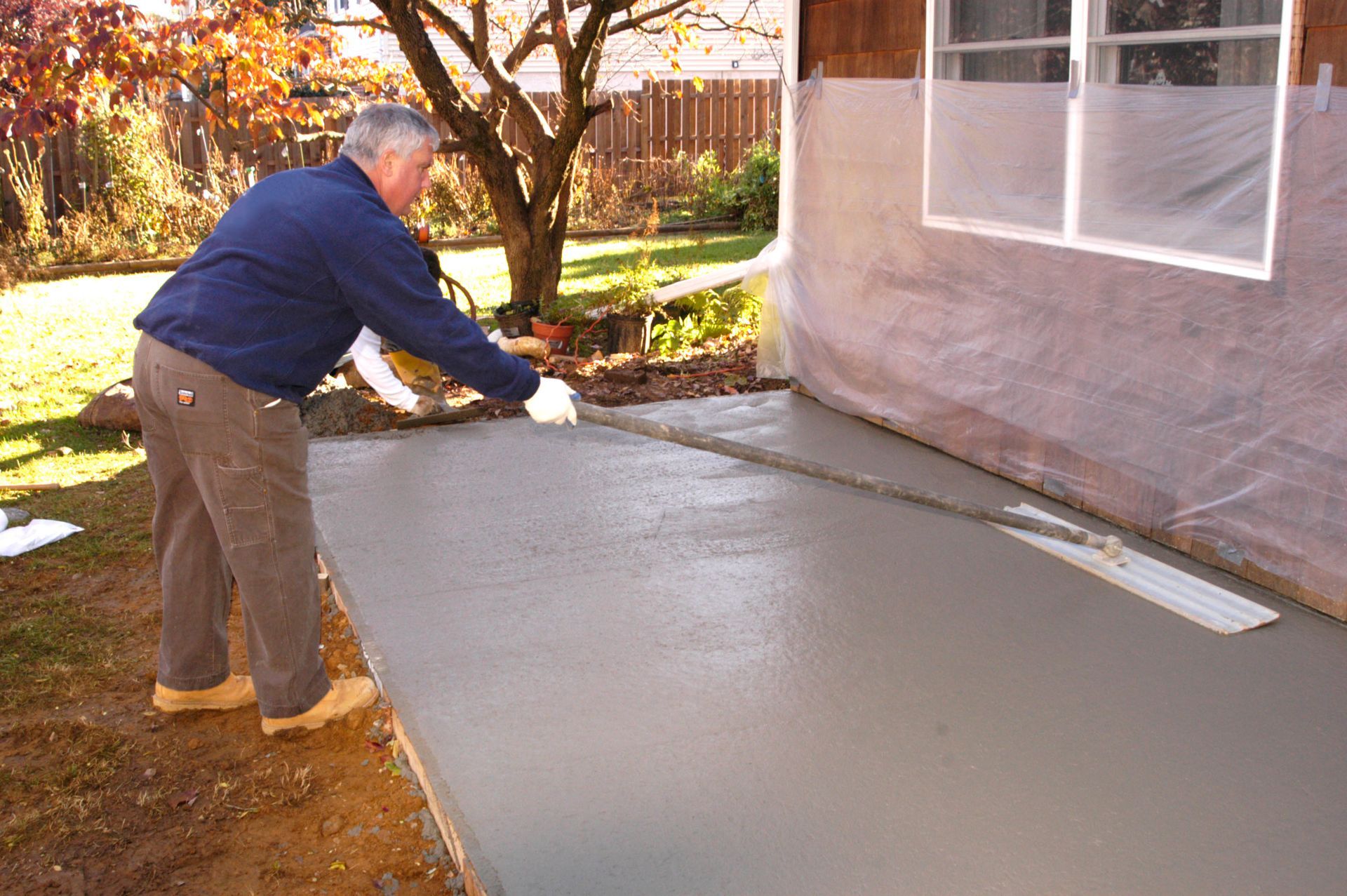
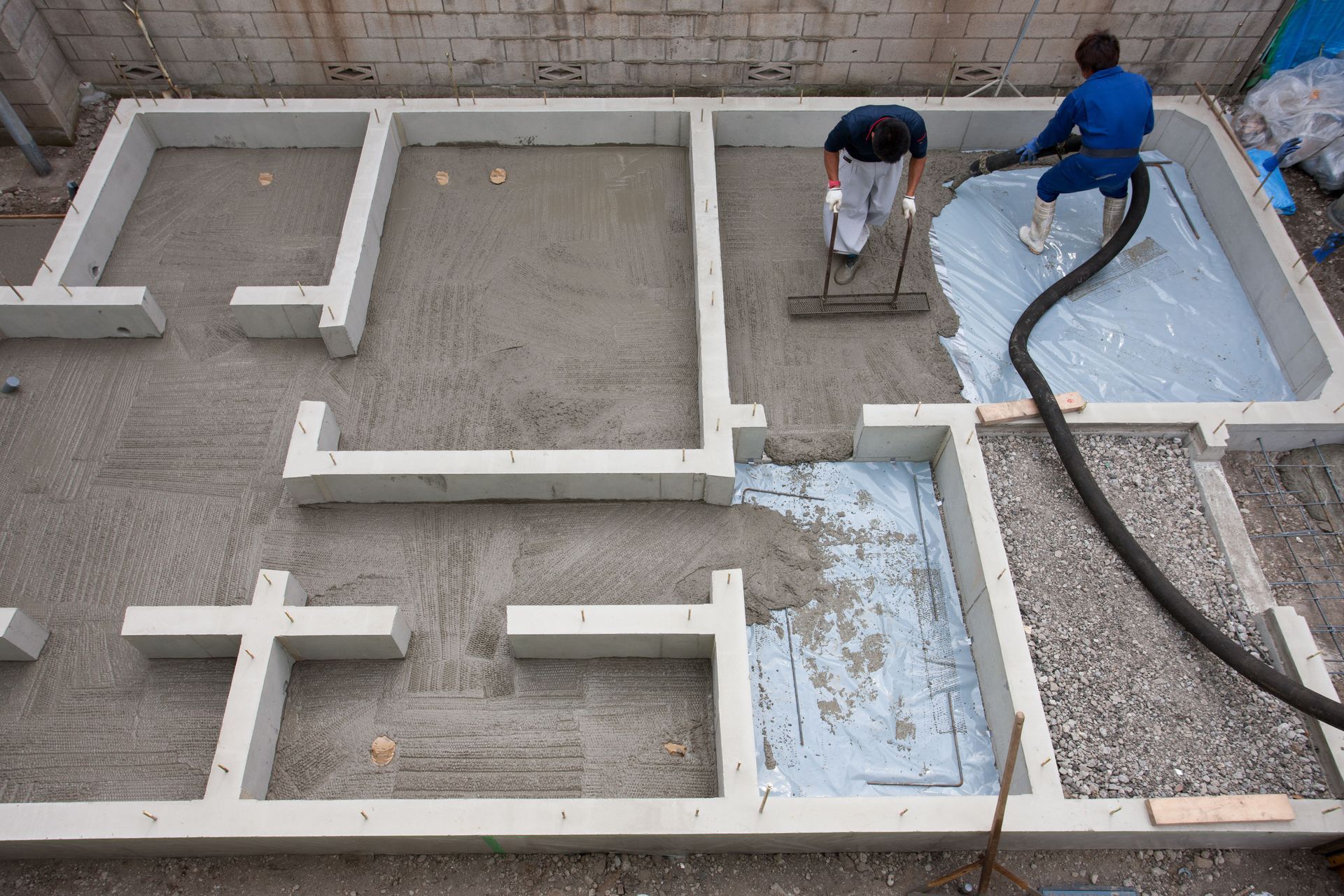
Ready-mix concrete is a popular choice due to its convenience and quality. It is factory-mixed and delivered to the construction site, ensuring uniformity and a specific mix that meets project requirements. This form of concrete minimizes errors on-site through professional mixing, offering consistency in quality. Ready-mix is ideal for large projects where precise concrete formulations are critical for structural integrity. Its primary advantage is the reduction of construction time and labor as it speeds up the building process.
Precast concrete is a versatile material used for constructing walls, floors, and architectural facades. Manufactured in a controlled environment, precast elements offer high quality and precise dimensions. It can be produced and stored until needed, facilitating efficient construction schedules and reducing weather-related delays. Precast concrete is prized for its durability, thermal efficiency, and potential for aesthetic customization. Choosing precast concrete contributes to faster construction and less onsite labor while ensuring robustness and fine finish quality.
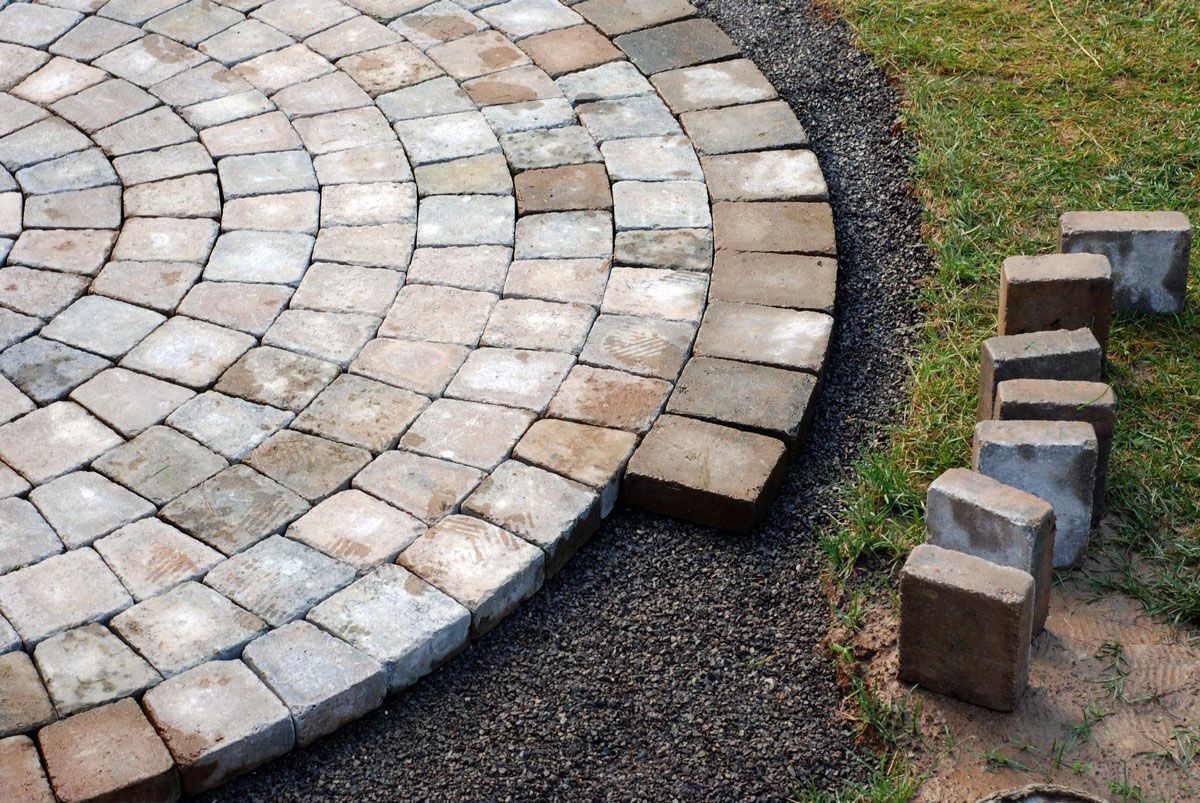
Stamped concrete is an aesthetically appealing option that mimics the appearance of bricks, stones, or tiles. Its customizing potential makes it ideal for patios, driveways, and landscaped areas, offering both aesthetic allure and structural function. The installation involves imprinting patterns into freshly laid concrete, transforming plain slabs into decorative work. Despite its beauty, the cost of stamped concrete can be lower than using actual paving materials. Stamped concrete provides durability while contributing to the architectural elegance of a project.
Specifications for Your Project
Every construction project must start with a clear understanding of its load-bearing requirements. Identifying these parameters helps in selecting the appropriate mix and composition of concrete, ensuring structural integrity. Concrete’s ability to bear loads is critical to the safety and longevity of buildings, influencing everything from foundation depth to beam and slab dimensions. Tailoring concrete formulation to meet load requirements can prevent over-building and optimize material efficiency. Engineers must evaluate the anticipated weight loads, considering both static and dynamic forces throughout the project lifecycle.
Weather conditions play a crucial role in determining the right concrete product for a project. Factors like temperature fluctuations, moisture, and wind affect curing times and strength development. For example, air-entrained concrete is beneficial in cold climates to prevent freeze-thaw damage. Understanding the local climate helps engineers select additives and mixes that enhance performance in specific weather conditions. Choosing suitable concrete products helps mitigate environmental impacts, ensuring structural integrity and longevity in diverse climates.
Project timelines are a pivotal factor in concrete selection, influencing overall strategies for material choice and logistics. Quick-curing or ready-mix concrete can expedite construction processes, allowing for rapid project advancements. Coordinating concrete deliveries and construction schedules ensures adherence to deadlines and prevents costly overruns. With about 341,500 people working for concrete contractors in the United States, according to IBISWorld, strategic planning keeps the workforce efficient and effectively employed. Aligning project milestones with construction realities helps ensure timely and successful project completion.
Supplier and Manufacturer Options
Assessing a supplier’s reputation and industry experience is fundamental when choosing concrete products. A manufacturer with proven reliability minimizes risks associated with product failure and quality issues. Supplier reputation is often built on years of consistent performance and satisfied customer feedback, offering peace of mind to project stakeholders. Experienced suppliers often have extensive knowledge of industry standards and can provide valuable guidance throughout the procurement process. Engaging with veteran manufacturers usually means a safer, more efficient, and reliable concrete sourcing experience.
A wide product range and availability are critical when selecting a concrete supplier. The ability to source varied types of concrete ensures that all aspects of a complex project can be addressed by a single vendor. Suppliers offering extensive product lines reduce coordination complexity, logistical planning, and ultimately influence the project's workflow. Availability also plays a key role in meeting tight construction deadlines and avoiding project delays. A supplier with a robust catalog and substantial inventory can adapt quickly to project changes or urgent material needs.
Robust quality control and assurance processes are non-negotiable when selecting concrete suppliers. Reliable suppliers enforce rigorous testing and quality checks, ensuring that every batch of concrete meets established industry standards. Quality assurance practices help identify defects early in the process, guaranteeing consistency and superior performance on site. Suppliers who invest in quality control reduce the risk of structural failures and costly repair interventions. By prioritizing suppliers with strong quality protocols, projects benefit from dependable products and predictable performance.
Choosing the right concrete products is a delicate balance of evaluating technical specifications, environmental factors, and industry innovations. By considering these elements, your construction project can achieve both functionality and aesthetic value that meet or surpass expectations. Always consult experts when in doubt to ensure the best results for your project. From cost efficiency to structural integrity, each decision in concrete selection impacts the success and sustainability of the construction endeavor. Embracing innovation and sustainable practices paves the way for robust structures that stand the test of time. The expertise and insight presented here equip you to make informed choices, contributing to a dynamic and resilient built environment. For more information, contact National Block & Ready-Mix today.