November 26, 2025
Concrete is one of the most widely used and reliable materials in construction, valued for its combination of strength, versatility, and long-lasting performance. From residential homes to massive infrastructure projects, concrete has proven time and again to meet a wide range of construction needs. Its enduring presence in the building industry is a testament to its adaptability and efficiency. Understanding the many advantages of concrete highlights why builders, architects, and engineers continue to rely on it as a foundation for safe, sustainable, and cost-effective projects. This article explores six key benefits of concrete, illustrating its critical role in shaping modern construction practices while promoting durability, efficiency, and innovation.
1. Exceptional Durability and Strength
Concrete is highly valued in construction for its remarkable durability and strength, which make it ideal for structures exposed to environmental stress. Its high compressive strength allows it to support substantial loads, making it suitable for bridges, high-rise buildings, and other heavy-load structures. Beyond its strength, concrete withstands extreme weather conditions, including freezing temperatures, heavy rain, and high heat, without losing structural integrity. Its resistance to rotting, rust, and fire ensures that concrete-built structures remain safe and stable over decades.
The longevity of concrete is unmatched. Ancient Roman structures, such as aqueducts and amphitheaters, still stand after thousands of years, providing clear evidence of its enduring nature. Modern concrete structures can be designed to last over a century, significantly reducing the need for reconstruction or repairs. This longevity directly translates into lower lifecycle costs and aligns with sustainable building practices by conserving resources and energy. Fire resistance is another critical advantage; reinforced concrete can contain flames, slow fire spread, and avoid the release of toxic fumes, making it a safer choice for urban buildings, commercial complexes, and residential developments.
Concrete also resists chemical and environmental degradation. Coastal and industrial structures benefit from concrete’s ability to withstand saltwater corrosion, pollutants, and acidic environments, which would damage many other building materials. This robustness ensures minimal intervention and maintenance, providing builders and owners with a material that delivers both reliability and peace of mind.
Concrete is highly valued in construction for its remarkable durability and strength, which make it ideal for structures exposed to environmental stress. Its high compressive strength allows it to support substantial loads, making it suitable for bridges, high-rise buildings, and other heavy-load structures. Beyond its strength, concrete withstands extreme weather conditions, including freezing temperatures, heavy rain, and high heat, without losing structural integrity. Its resistance to rotting, rust, and fire ensures that concrete-built structures remain safe and stable over decades.
The longevity of concrete is unmatched. Ancient Roman structures, such as aqueducts and amphitheaters, still stand after thousands of years, providing clear evidence of its enduring nature. Modern concrete structures can be designed to last over a century, significantly reducing the need for reconstruction or repairs. This longevity directly translates into lower lifecycle costs and aligns with sustainable building practices by conserving resources and energy. Fire resistance is another critical advantage; reinforced concrete can contain flames, slow fire spread, and avoid the release of toxic fumes, making it a safer choice for urban buildings, commercial complexes, and residential developments.
Concrete also resists chemical and environmental degradation. Coastal and industrial structures benefit from concrete’s ability to withstand saltwater corrosion, pollutants, and acidic environments, which would damage many other building materials. This robustness ensures minimal intervention and maintenance, providing builders and owners with a material that delivers both reliability and peace of mind.
2. Energy Efficiency and Thermal Benefits
Concrete offers exceptional energy efficiency thanks to its high thermal mass, which allows it to absorb, store, and slowly release heat. This natural ability to moderate temperature fluctuations reduces dependence on heating and cooling systems, offering substantial energy savings over time. In regions with extreme seasonal variations, buildings constructed with concrete experience more consistent indoor temperatures, improving comfort for occupants while lowering energy bills.
Concrete’s composition also contributes to its insulating properties. According to the National Ready-Mix Concrete Association, concrete is approximately 10% to 15% cement, 60% to 75% aggregates like sand and gravel, and 15% to 20% water. This combination of materials not only provides strength but also enhances thermal regulation. Properly designed concrete walls, floors, and roofs help prevent heat loss in winter and limit heat gain in summer. By reducing the reliance on artificial climate control, concrete promotes both cost savings and environmental responsibility.
Additionally, concrete contributes to achieving green building certifications such as LEED (Leadership in Energy and Environmental Design). Its energy-efficient properties make it easier to meet sustainability benchmarks while lowering a building’s overall carbon footprint. When used in conjunction with other eco-friendly building strategies, concrete supports a holistic approach to environmentally conscious construction.
Concrete offers exceptional energy efficiency thanks to its high thermal mass, which allows it to absorb, store, and slowly release heat. This natural ability to moderate temperature fluctuations reduces dependence on heating and cooling systems, offering substantial energy savings over time. In regions with extreme seasonal variations, buildings constructed with concrete experience more consistent indoor temperatures, improving comfort for occupants while lowering energy bills.
Concrete’s composition also contributes to its insulating properties. According to the National Ready-Mix Concrete Association, concrete is approximately 10% to 15% cement, 60% to 75% aggregates like sand and gravel, and 15% to 20% water. This combination of materials not only provides strength but also enhances thermal regulation. Properly designed concrete walls, floors, and roofs help prevent heat loss in winter and limit heat gain in summer. By reducing the reliance on artificial climate control, concrete promotes both cost savings and environmental responsibility.
Additionally, concrete contributes to achieving green building certifications such as LEED (Leadership in Energy and Environmental Design). Its energy-efficient properties make it easier to meet sustainability benchmarks while lowering a building’s overall carbon footprint. When used in conjunction with other eco-friendly building strategies, concrete supports a holistic approach to environmentally conscious construction.
3. Versatility in Design and Aesthetic Appeal
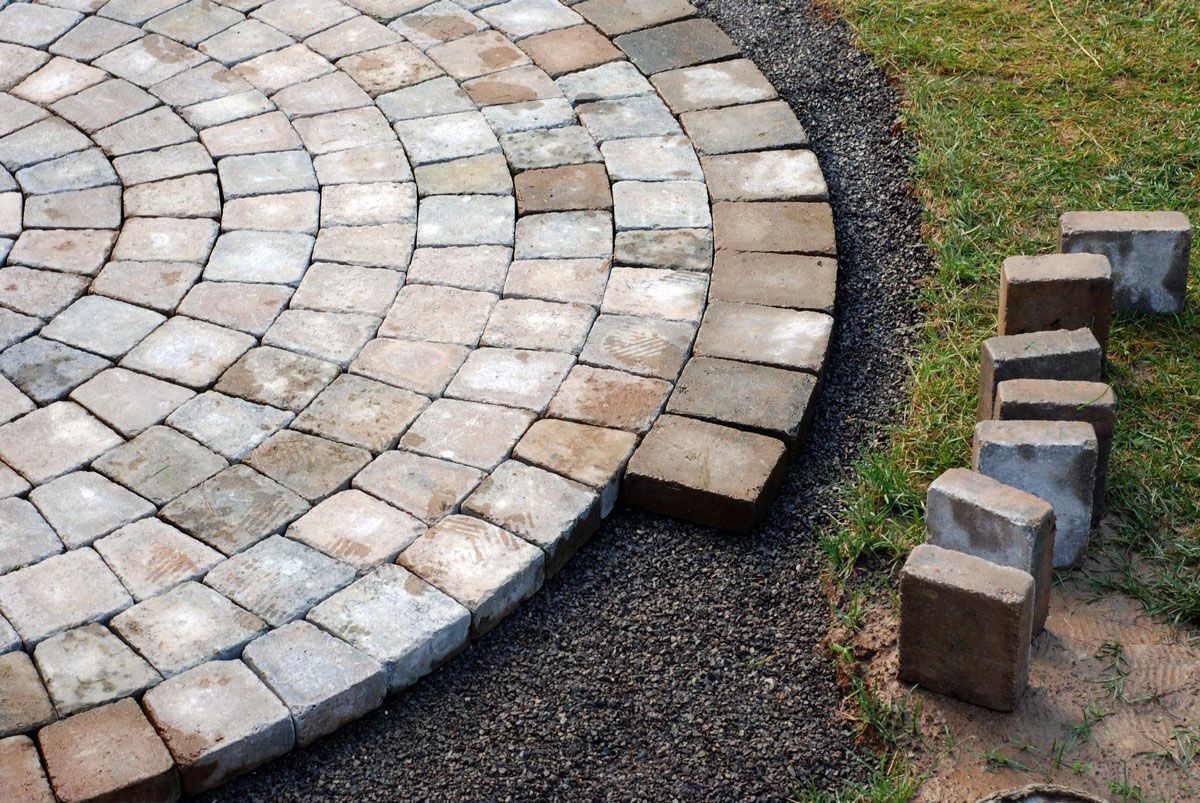
Concrete’s versatility allows architects and builders to create structures limited only by imagination. It can be molded into nearly any shape, making it possible to construct curved walls, intricate facades, and unconventional building layouts. This adaptability encourages innovative architectural designs that combine functionality with striking visual appeal.
Beyond form, concrete offers a wide array of finishes and textures. Techniques such as polishing, staining, and stamping provide virtually limitless customization, allowing concrete surfaces to mimic materials like stone, brick, or wood. Architects and designers can elevate the aesthetic of structures while maintaining the material’s inherent durability.
Concrete also integrates well with other materials such as steel and wood, offering flexibility in structural design. These combinations allow for creative contrasts and modern architectural expressions while ensuring structural integrity. Emerging innovations, like smart concrete that can monitor its own stress and temperature, continue to expand its potential in cutting-edge construction projects. With these qualities, concrete seamlessly blends utility, beauty, and innovation in contemporary architecture.
Concrete’s versatility allows architects and builders to create structures limited only by imagination. It can be molded into nearly any shape, making it possible to construct curved walls, intricate facades, and unconventional building layouts. This adaptability encourages innovative architectural designs that combine functionality with striking visual appeal.
Beyond form, concrete offers a wide array of finishes and textures. Techniques such as polishing, staining, and stamping provide virtually limitless customization, allowing concrete surfaces to mimic materials like stone, brick, or wood. Architects and designers can elevate the aesthetic of structures while maintaining the material’s inherent durability.
Concrete also integrates well with other materials such as steel and wood, offering flexibility in structural design. These combinations allow for creative contrasts and modern architectural expressions while ensuring structural integrity. Emerging innovations, like smart concrete that can monitor its own stress and temperature, continue to expand its potential in cutting-edge construction projects. With these qualities, concrete seamlessly blends utility, beauty, and innovation in contemporary architecture.
4. Availability and Cost-Effectiveness
Concrete is widely available and economically viable, thanks to the abundance of its raw materials. Cement, aggregates, and water can be sourced locally in most regions, reducing transportation costs and supporting local economies. Its accessibility ensures that construction projects of any scale can incorporate concrete reliably and affordably. As cited by the National Ready-Mix Concrete Association, concrete’s composition—10% to 15% cement, 60% to 75% aggregates, and 15% to 20% water—demonstrates the material’s cost-effective, practical makeup.
The material’s long lifespan further enhances its economic value. Concrete structures require minimal maintenance, reducing expenses for repairs and replacements. Precast concrete components also speed up construction timelines, lowering labor costs and enabling faster project completion. Concrete is additionally recyclable; demolished or leftover material can be repurposed into new concrete mixes, reducing waste and supporting sustainable construction practices. For builders and developers, these attributes make concrete a strategic choice that balances affordability with long-term performance.
Concrete is widely available and economically viable, thanks to the abundance of its raw materials. Cement, aggregates, and water can be sourced locally in most regions, reducing transportation costs and supporting local economies. Its accessibility ensures that construction projects of any scale can incorporate concrete reliably and affordably. As cited by the National Ready-Mix Concrete Association, concrete’s composition—10% to 15% cement, 60% to 75% aggregates, and 15% to 20% water—demonstrates the material’s cost-effective, practical makeup.
The material’s long lifespan further enhances its economic value. Concrete structures require minimal maintenance, reducing expenses for repairs and replacements. Precast concrete components also speed up construction timelines, lowering labor costs and enabling faster project completion. Concrete is additionally recyclable; demolished or leftover material can be repurposed into new concrete mixes, reducing waste and supporting sustainable construction practices. For builders and developers, these attributes make concrete a strategic choice that balances affordability with long-term performance.
5. Environmental Advantages
Concrete offers several environmental benefits that contribute to sustainable urban development. Its light-colored surface reflects sunlight, helping to mitigate the urban heat island effect in densely populated cities. This reflective property reduces local temperatures and decreases the energy demand for air conditioning, supporting eco-friendly building practices.
Permeable concrete pavements are another innovative application with environmental advantages. They allow rainwater to pass through the surface, reducing stormwater runoff, preventing urban flooding, and promoting natural water absorption. This capability minimizes pollutants entering waterways and supports effective water management, essential for sustainable urban planning.
Modern production techniques further enhance concrete’s environmental performance. Substituting traditional cement with recycled materials like fly ash, slag, or recycled aggregates reduces greenhouse gas emissions while maintaining structural strength. By combining energy efficiency, sustainable material choices, and innovative design, concrete plays a vital role in reducing construction’s ecological footprint and promoting greener cities.
Concrete offers several environmental benefits that contribute to sustainable urban development. Its light-colored surface reflects sunlight, helping to mitigate the urban heat island effect in densely populated cities. This reflective property reduces local temperatures and decreases the energy demand for air conditioning, supporting eco-friendly building practices.
Permeable concrete pavements are another innovative application with environmental advantages. They allow rainwater to pass through the surface, reducing stormwater runoff, preventing urban flooding, and promoting natural water absorption. This capability minimizes pollutants entering waterways and supports effective water management, essential for sustainable urban planning.
Modern production techniques further enhance concrete’s environmental performance. Substituting traditional cement with recycled materials like fly ash, slag, or recycled aggregates reduces greenhouse gas emissions while maintaining structural strength. By combining energy efficiency, sustainable material choices, and innovative design, concrete plays a vital role in reducing construction’s ecological footprint and promoting greener cities.
6. Safety and Security Benefits
Concrete is essential for creating safe, resilient structures. Its strength and density allow buildings to withstand natural disasters, including earthquakes, hurricanes, floods, and high winds. Reinforced concrete provides critical structural support, ensuring that vital infrastructures like hospitals, bridges, and emergency centers remain operational during catastrophic events.
Concrete also enhances indoor safety and security. Its density reduces sound transmission, creating quieter environments in residential, commercial, and industrial buildings. The material provides a strong physical barrier, offering protection against intrusions, accidents, or environmental hazards. By combining structural resilience, disaster resistance, and noise reduction, concrete supports both occupant safety and overall building security. These benefits are particularly crucial in high-risk areas or facilities where stability and protection are non-negotiable.
The advantages of using
concrete
in construction are extensive, spanning durability, energy efficiency, design flexibility, affordability, environmental responsibility, and safety. Its adaptability and enduring performance make it an indispensable material for modern construction projects, from homes and commercial spaces to large-scale infrastructure. As construction continues to evolve toward sustainability, innovation, and resilience, concrete remains at the forefront of building materials, consistently delivering unmatched value. Builders and developers looking for a reliable, cost-effective, and versatile solution can trust National Block & Ready-Mix for high-quality concrete that meets every construction need, ensuring projects are built to last for generations.
Concrete is essential for creating safe, resilient structures. Its strength and density allow buildings to withstand natural disasters, including earthquakes, hurricanes, floods, and high winds. Reinforced concrete provides critical structural support, ensuring that vital infrastructures like hospitals, bridges, and emergency centers remain operational during catastrophic events.
Concrete also enhances indoor safety and security. Its density reduces sound transmission, creating quieter environments in residential, commercial, and industrial buildings. The material provides a strong physical barrier, offering protection against intrusions, accidents, or environmental hazards. By combining structural resilience, disaster resistance, and noise reduction, concrete supports both occupant safety and overall building security. These benefits are particularly crucial in high-risk areas or facilities where stability and protection are non-negotiable.
The advantages of using concrete in construction are extensive, spanning durability, energy efficiency, design flexibility, affordability, environmental responsibility, and safety. Its adaptability and enduring performance make it an indispensable material for modern construction projects, from homes and commercial spaces to large-scale infrastructure. As construction continues to evolve toward sustainability, innovation, and resilience, concrete remains at the forefront of building materials, consistently delivering unmatched value. Builders and developers looking for a reliable, cost-effective, and versatile solution can trust National Block & Ready-Mix for high-quality concrete that meets every construction need, ensuring projects are built to last for generations.